

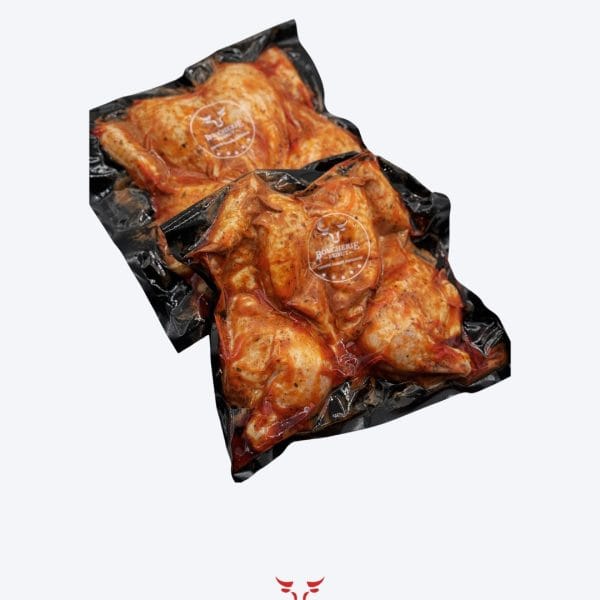


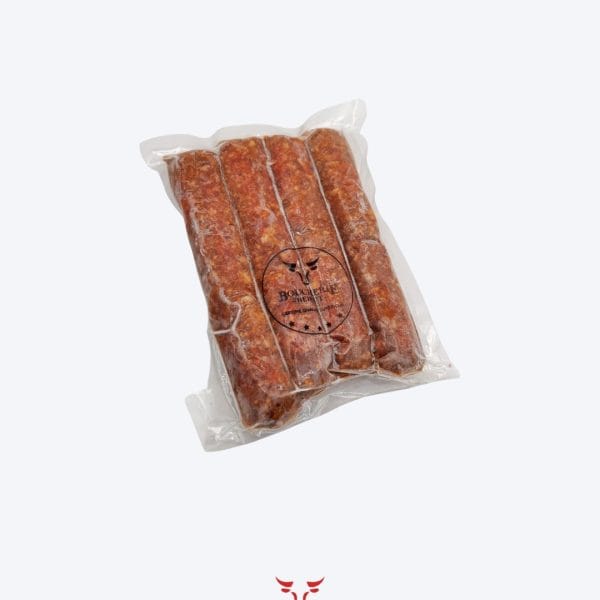
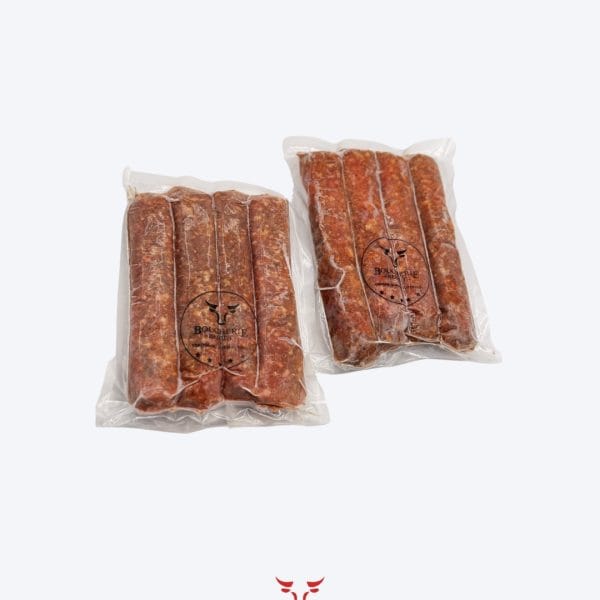

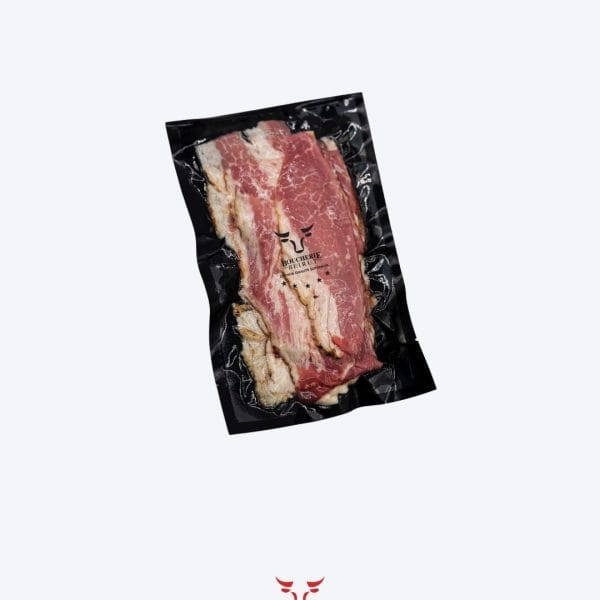
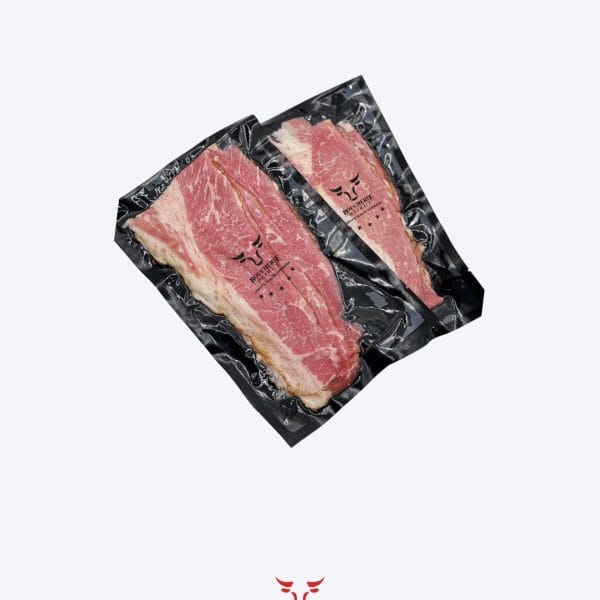
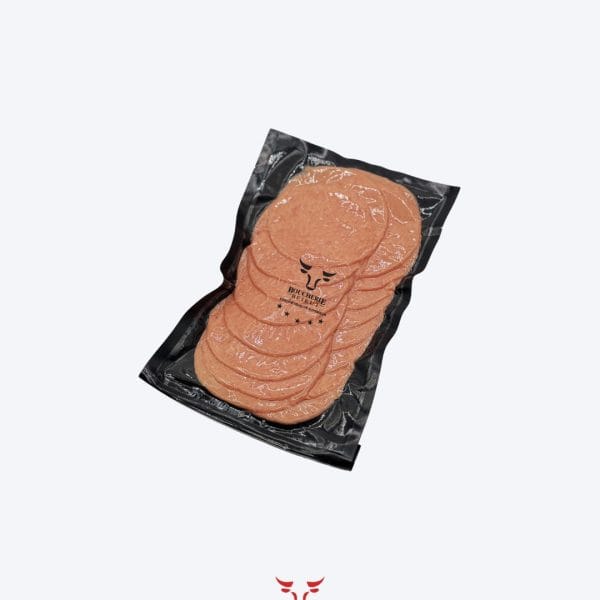
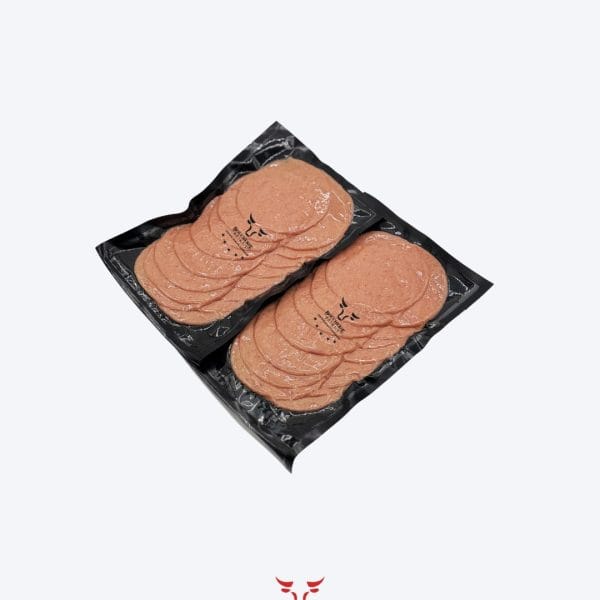
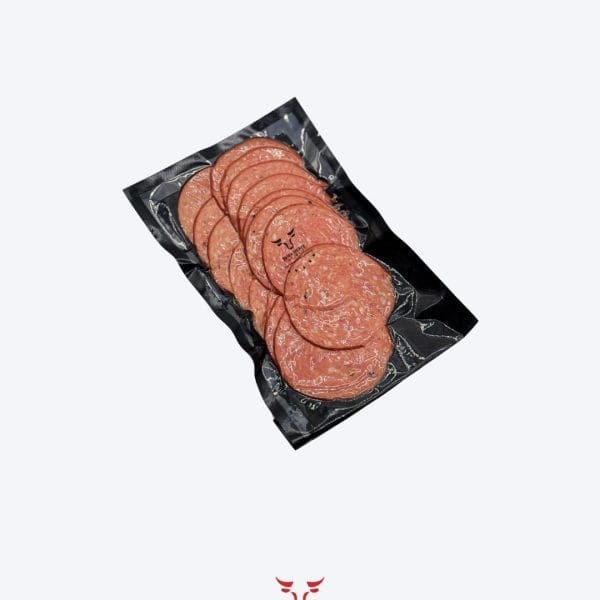



Welcome to our Store
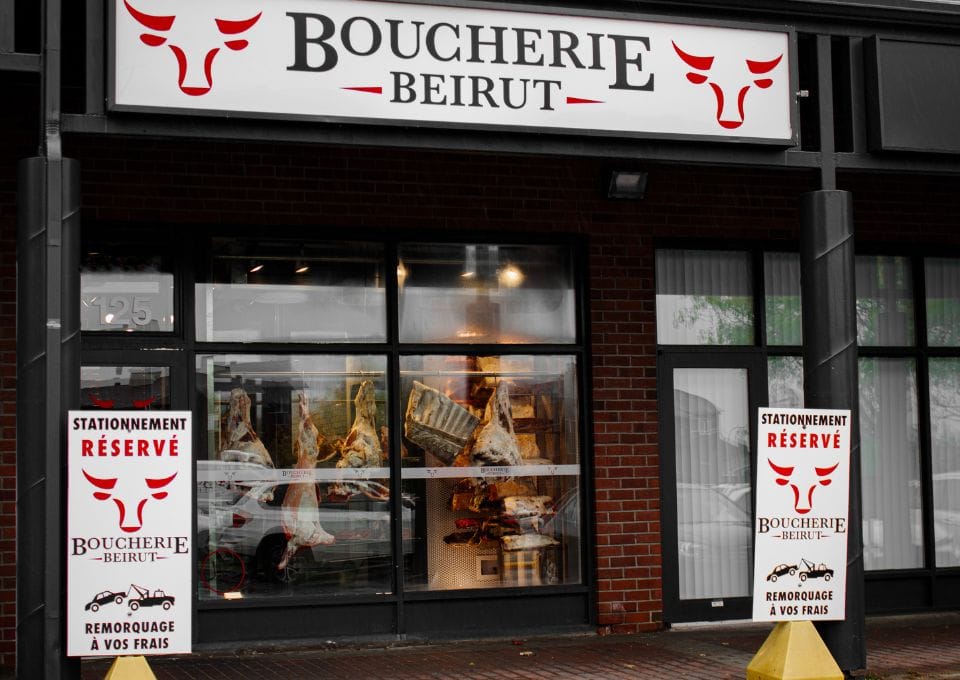
Hassan K., born and raised in Montreal, Canada, discovered his passion for butchery at a young age while working alongside his father. Guided by tradition and inspired by family values, he refined his skills and later pursued formal training to master the craft. In 2019, Hassan and his brother opened Boucherie Beirut in Laval, with a vision to offer the community premium halal meats rooted in authenticity and quality.

Hassan Khanafer
Co-Founder, CEO
Hassan places a special focus on beef grades, ensuring customers enjoy only the finest cuts with exceptional marbling, tenderness, and flavor. This attention to detail reflects his belief that understanding beef quality not only elevates the taste but also helps families make informed choices for their meals.
Serving Families, Events & Businesses
Whether you’re preparing for a family gathering or stocking up for your restaurant, we’re here to deliver the same premium halal quality in every order.

What does “halal meat” mean — and what makes it different?
What is halal meat?
The word “halal” comes from Arabic and translates to “permissible” or “allowed”. In the context of meat, it refers to an animal that is raised, slaughtered, processed and packaged in accordance with Islamic dietary laws. Wikipedia
Key requirements typically include:
The animal must be alive and healthy at the time of slaughter. One Stop Halal+1
The slaughter is done by a person who invokes the name of God (in Islam, “Bismillah Allah” or similar) before making the cut. Istanbul Grill Orlando+1
A sharp cut is made to the jugular vein, carotid arteries, and windpipe to allow the blood to drain. One Stop Halal+1
The meat must not be contaminated by prohibited substances or practices (e.g., pork or animals that died by themselves, improper handling).
How does halal meat differ from “regular” meat?
While many conventional meat-production methods focus primarily on efficiency and cost, halal methods emphasise specific ethical, hygiene and procedural standards that can appeal broadly—even to non-Muslim customers. Some of the main differences include:
Animal welfare & treatment prior to slaughter: Halal rules require the animal to be treated with dignity, kept healthy and calm, and not subjected to undue stress. Istanbul Grill Orlando+1
Drainage of blood: In halal slaughter the blood is drained out more completely. Blood is considered impure in Islamic law and its removal is seen as both hygienic and respectful. Zouk Tea Bar+1
Traceability and certification: Halal certification often extends beyond the act of slaughter-itself—covering feed, transportation, processing, storage, cross-contamination, and packaging. Mamafatma+1
Ethical considerations: Many consumers appreciate that halal methods emphasise not only permitted vs forbidden, but also respect for life, minimal suffering and cleanliness. Zouk Tea Bar+1
Why we say halal is “better” when it comes to animals and quality
At Boucherie Beirut, our commitment to halal isn’t just religious—it reflects a deeper approach to food and animal welfare. Here’s why:
The focus on animal health, minimal stress and a clean environment helps ensure higher quality meat and respectful treatment of animals.
The method of slaughter, when done correctly, aims to reduce suffering by using a sharp knife, making a single swift cut, and allowing blood to drain. This aligns with recognised principles of humane slaughter. International Fresh Market Blog+1
From a consumer perspective, meat that is properly bled may have less residual blood, which some believe contributes to a cleaner taste and fewer impurities. Zouk Tea Bar+1
Because halal-certified processing demands cleanliness and controls on additives or contamination, it can give extra peace of mind about hygiene and standards. Mamafatma+1