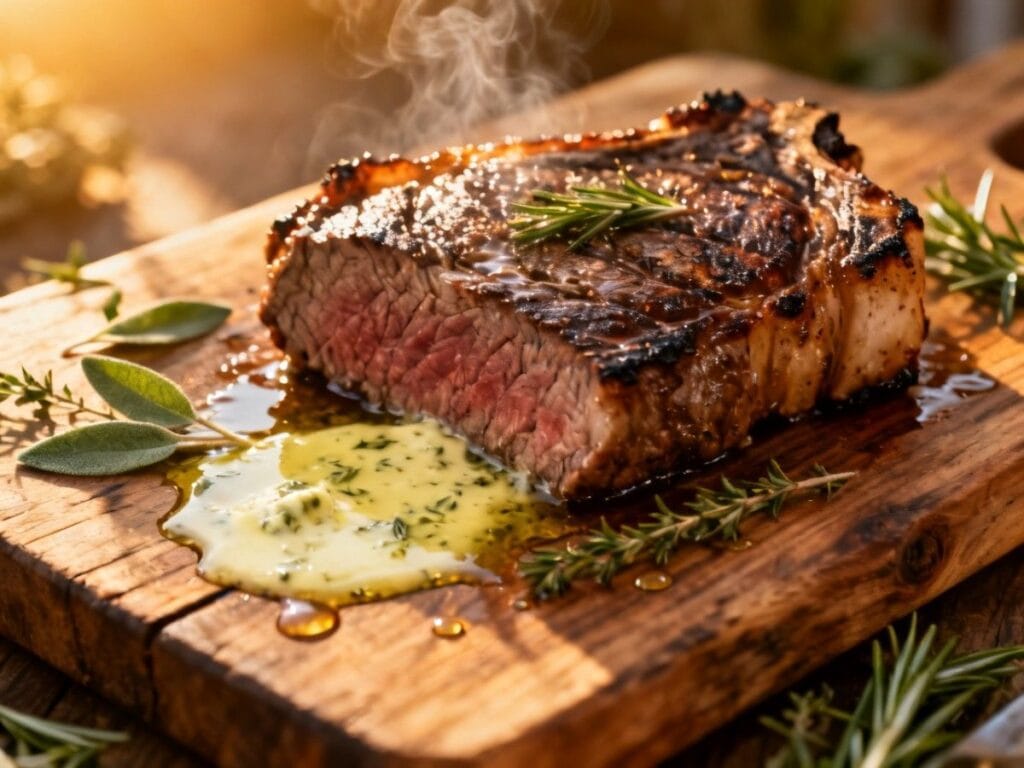
Steak Doneness Guide

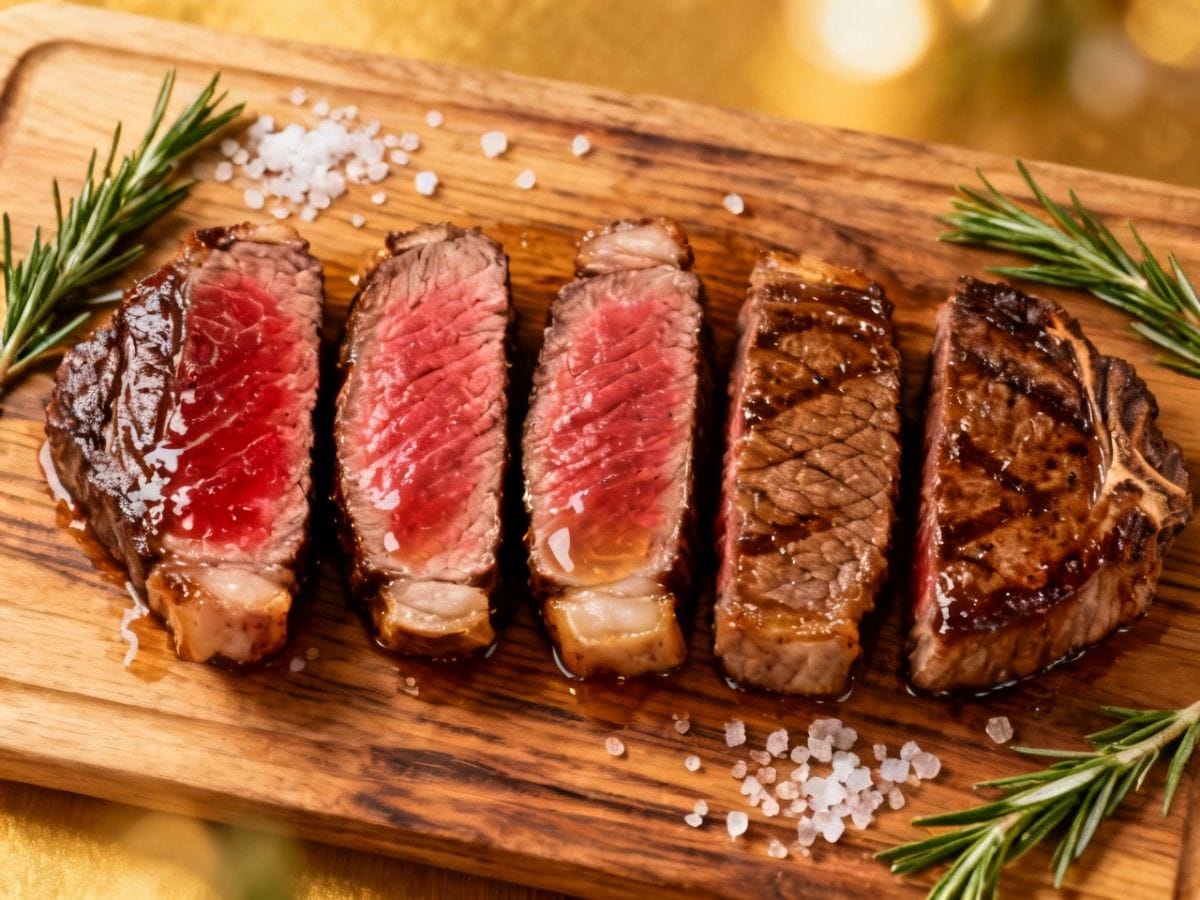
Steak Doneness Guide: Get It Right Every Time
Knowing the right steak doneness saves every dinner. Understanding steak doneness means a few degrees make the difference between a perfect steak and an overcooked one. The guide below covers every level from rare to well done with exact temperatures. At Boucherie Beirut in Laval, we carry premium steaks that deserve a precise cook. We also deliver across Greater Montreal. So the best beef and the knowledge to cook it are both within reach.
Why Temperature Matters More Than Time
Every steak is different. Thickness, cut, and temperature all affect cooking time. For example, a one-inch ribeye cooks faster than a two-inch filet mignon. That is why timing alone leads to inconsistent results. For perfect steak doneness, a meat thermometer removes the guesswork completely. It tells you exactly when to pull the steak off the heat.
Insert the thermometer into the thickest part of the meat. Also, avoid touching bone, fat, or the pan. The reading should come from the centre of the steak. Moreover, digital instant-read thermometers give the most accurate results. Plus, they cost under $20 and last for years. It is the single best tool for any home cook.
Steak Doneness Levels: The Complete Breakdown
Rare (120–125°F / 49–52°C): Cool red centre throughout. Notably, the outside has a light sear while the inside stays soft. Rare works best with tender cuts like filet mignon. As a result, the texture is buttery and the flavour is pure beef. Pull at 120°F and rest for five minutes.
Medium-Rare (130–135°F / 54–57°C): Warm pink centre with a firmer edge. This is the most popular doneness among steak lovers. Specifically, it balances tenderness with a developed flavour. Above all, most butchers and chefs recommend this level. Notably, it preserves the marbling in cuts like ribeye and wagyu. Pull at 130°F and rest.
Medium (135–145°F / 57–63°C): Pink centre with a wider band of grey. However, the steak is firmer but still juicy. Medium suits people who want some pink without too much red. It works well with well-marbled cuts that stay moist at higher temps. Specifically, tomahawk and bavette handle medium nicely.
Medium-Well (150–155°F / 65–68°C): Slight hint of pink in the centre. Most of the moisture has cooked out at this level. The texture is firm throughout. Therefore, choose fattier cuts if you prefer this doneness. The extra marbling compensates for the lost juices.
Well Done (160°F+ / 71°C+): No pink remaining. Hence, the steak is firm and fully cooked through. Thinner cuts work better here since they dry out less. However, premium cuts lose much of their character at this temperature. Instead, consider using a sauce or compound butter to add moisture back.
The Resting Rule Everyone Forgets
Resting is just as important as cooking. After all, once you pull the steak from heat, the temperature keeps rising. This carryover cooking adds five to ten degrees. Consequently, always pull your steak five degrees below your target. For medium-rare, that means pulling at 125°F instead of 130°F.
Rest the steak on a cutting board for five minutes. Besides, do not cover it tightly with foil or the crust gets soft. A loose tent works if you want to keep it warm. During this time, the juices redistribute through the meat. Cut too early and those juices run out onto the board. In short, patience here makes every bite better.
Best Steak Doneness for Each Cut
Filet mignon shines at rare to medium-rare. The lean, tender muscle dries out fast past medium. Ribeye handles medium-rare to medium because the fat keeps it juicy. Bavette is best at medium-rare and sliced thin against the grain.
Tomahawk works beautifully at medium-rare. The bone insulates the meat near the centre. Plus, the thick size gives you a gradient from seared edge to pink core. Wagyu should never go past medium-rare. The high fat content melts away at higher temperatures and the steak loses its signature texture.
Steak Doneness Mistakes to Avoid
Cutting into the steak to check doneness ruins the crust and leaks juice. Rather, use a thermometer. Cooking straight from the fridge leads to uneven results. First, let the steak sit at room temperature for 30 minutes first. Flipping too often prevents a good sear from forming. Simply, one flip is all you need for most cuts.
Skipping the rest is the most common mistake. Yet many home cooks serve immediately after pulling from heat. Besides losing juice, the steak continues cooking and overshoots the target. Above all, trust the thermometer and the resting time. These two habits alone improve every steak you cook. Check the full safe temperature chart at the Government of Canada food safety page.
Shop Premium Steaks at Boucherie Beirut
At Boucherie Beirut in Laval, every steak deserves a perfect cook. Browse our beef collection, Certified Angus range, and wagyu collection to find your next cut. Our online shop makes ordering easy. We deliver across Greater Montreal. All our beef is halal-certified and hand-cut fresh at our Laval shop.
Frequently Asked Questions
What is the best steak doneness?
Medium-rare is the most popular choice. Specifically, it balances tenderness, flavour, and juiciness. Most chefs and butchers recommend this level for premium cuts.
Do I really need a meat thermometer?
Yes. It is the only reliable way to hit the exact doneness you want. Touch tests and timing are inconsistent. A digital instant-read thermometer costs under $20.
How long should steak rest after cooking?
Five minutes for standard cuts. The temperature rises five to ten degrees during resting. Always pull the steak five degrees below your target to account for carryover.