Best Cuts for Slow Cooking

Slow cooking transforms tough, affordable beef into the most tender and flavourful meals you can make at home. This guide covers the best cuts, the braising method, and tips to get perfect results every time.
Best Cuts for Slow Cooking: Turn Tough into Tender
Slow cooking turns the toughest cuts into the most tender meals. The best cuts for slow cooking are not the expensive ones. Rather, they are the hard-working muscles full of connective tissue and deep flavour. Specifically, low heat and long time break that tissue down into gelatin. The result is fall-apart tenderness that no quick-cooking method can match. At Boucherie Beirut in Laval, we carry every cut you need for slow cooking. We also deliver across Greater Montreal. So your next comfort meal is one order away.
Why Tough Cuts Win in the Slow Cooker
Expensive steaks like filet mignon are tender because the muscle barely works. Slow-cooking cuts come from the opposite end. For example, shoulders, legs, and chest muscles work constantly. As a result, they build dense fibres and collagen. Moreover, that collagen is the secret ingredient. Once heated slowly past 160°F, it melts into gelatin. Consequently, the meat goes from tough to silky without losing its bold flavour.
This is why a braised chuck roast tastes richer than a grilled one. Also, the long cook extracts every bit of flavour from the bone, fat, and connective tissue. Furthermore, the braising liquid captures all of it. Therefore, you end up with meat and sauce that are both deeply flavourful. Simply, no steak can deliver that kind of richness on its own.
Best Cuts for Slow Cooking: The Lineup
Brisket
Brisket is the classic slow-cooking cut. The flat section braises beautifully in a Dutch oven. Then cover it halfway with broth, add aromatics, and braise at 325°F for three hours. Specifically, the connective tissue breaks down into a silky texture. Finally, slice against the grain and spoon the braising liquid over the top. Read our full brisket guide for smoking and braising methods.
Short Ribs
Short ribs deliver the richest flavour of any slow-cooked cut. The bone adds gelatin and body to the sauce. Notably, the meat pulls clean off the bone when done right. Braise for three hours or smoke for six. Still, either method rewards patience. Check our short ribs guide for all three cooking methods.
Chuck Roast
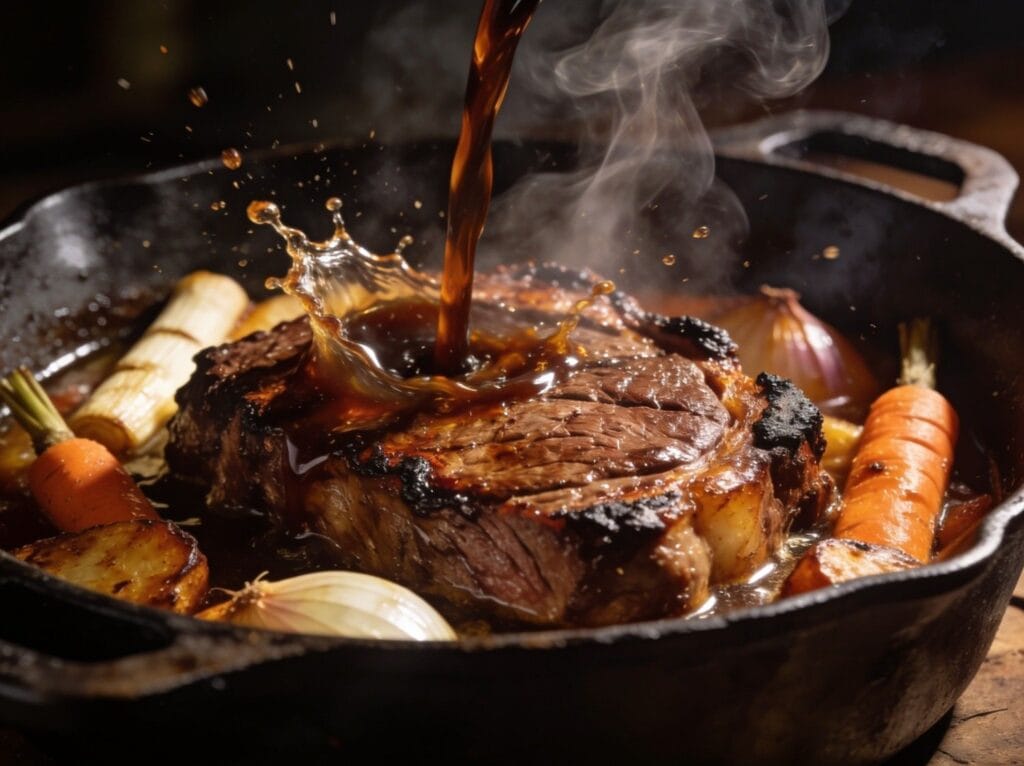
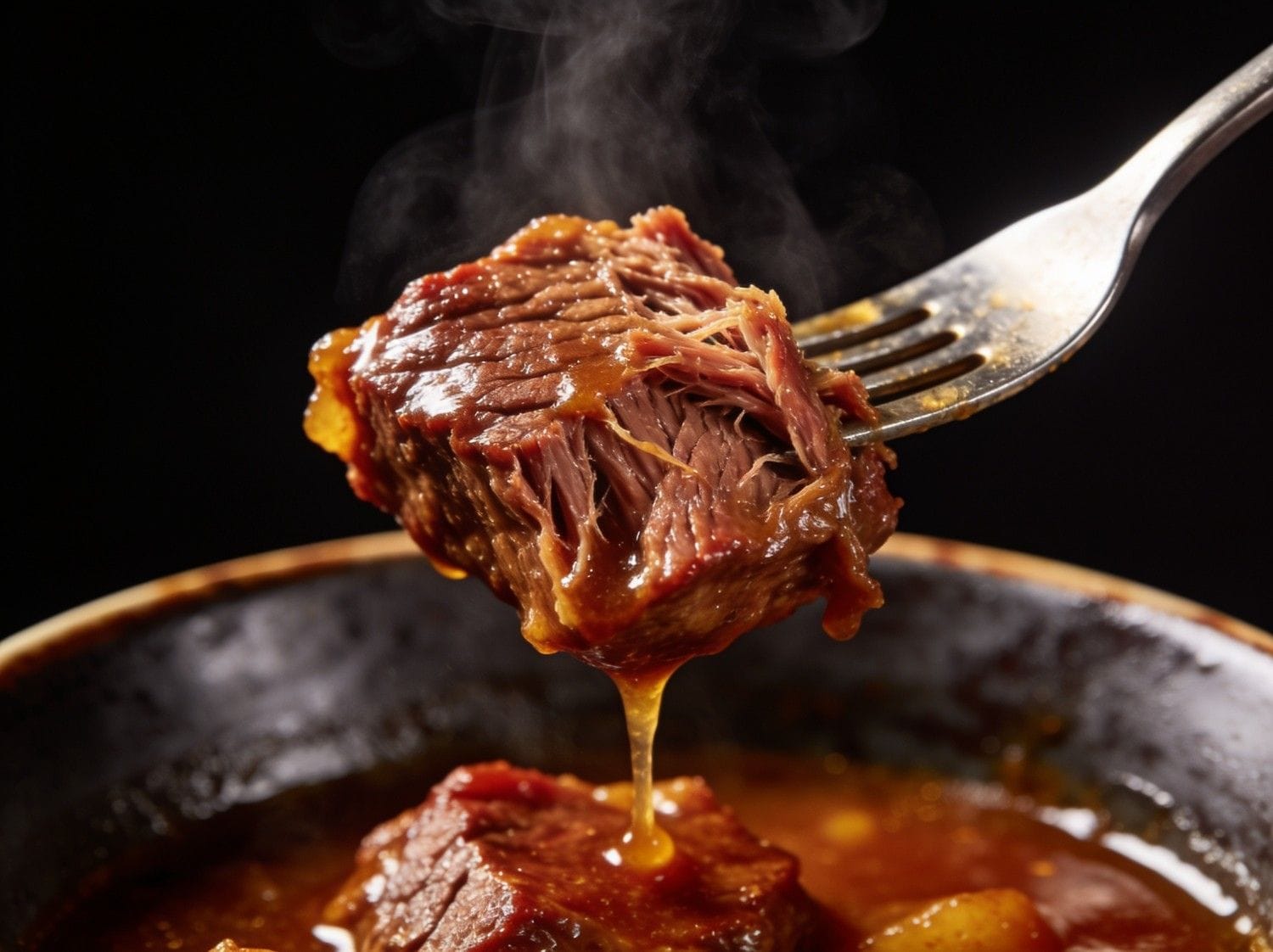
Chuck roast is the weeknight slow-cooking hero. It comes from the shoulder and is loaded with marbling. First, season with salt, pepper, and garlic. Next, sear on all sides, then braise with onion, carrot, and broth. Consequently, after three hours at 325°F, the roast shreds with a fork. Moreover, the leftovers make incredible sandwiches the next day.
Beef Cheeks
Beef cheeks are an underrated gem. The small, dense muscles are almost pure collagen. Instead, braise them low and slow for four hours. As a result, they turn into the most tender, melt-in-your-mouth beef you have ever tasted. Then serve over polenta or mashed potatoes. Plus, they absorb the braising sauce like a sponge.
The Method: How to Braise Any Cut
Every braise follows the same basic steps. First, pat the meat dry and season generously. Then sear on all sides in a hot Dutch oven until deeply browned. Remove the meat. Next, add diced onion, carrot, and celery. Cook for five minutes. Pour in broth, return the meat, and cover the pot.
Transfer to a 325°F oven. The liquid should come halfway up the meat, not cover it. Braise for three to four hours depending on the cut. The meat is done when a fork slides in with zero resistance. Let it rest in the pot for 20 minutes before slicing. Hence, the juices settle back into the meat. You can check safe temperatures at the Government of Canada food safety page.
Slow Cooker vs Dutch Oven
A Dutch oven gives better results because of the initial sear. Notably, the high heat caramelizes the surface and builds a flavour base. A slow cooker skips that step. However, a slow cooker wins on convenience. Just set it in the morning and dinner is ready when you walk in the door.
If using a slow cooker, sear the meat in a separate pan first. Then transfer everything to the slow cooker. Cook on low for eight hours or high for four to five. Besides, the low temperature is gentler and produces more even results. Either tool works — the sear is the step that matters most.
Slow Cooking Flavour Boosters That Make a Difference
Tomato paste adds depth and colour. Stir a tablespoon into the vegetables before adding broth. Soy sauce brings umami without tasting Asian. A splash brightens the entire sauce. Fresh thyme and bay leaves infuse herbal notes during the long cook. Remove them before serving. Above all, use homemade or low-sodium broth. Store-bought broth can turn the sauce too salty after hours of reduction.
Shop Slow-Cooking Cuts at Boucherie Beirut
At Boucherie Beirut in Laval, our slow-cooking cuts come hand-trimmed and ready for the pot. Browse our full beef collection, Certified Angus range, and online shop. We deliver across Greater Montreal. All our beef is halal-certified and prepared fresh at our Laval shop. Your next comfort meal starts right here.
Frequently Asked Questions
What is the best cut for slow cooking?
Chuck roast, short ribs, and brisket are the top three. Each one is loaded with collagen that melts into tenderness during a long cook. Choose based on your recipe and preferred texture.
How long should I slow cook beef?
Three to four hours in a Dutch oven at 325°F. Eight hours on low in a slow cooker. The meat is done when a fork slides in without any resistance.
Do I need to sear before slow cooking?
Yes. Searing builds a caramelized crust that adds deep flavour to the sauce. It takes five minutes and makes a noticeable difference in the final result.