Beef Cuts Explained: A Butcher’s Map

Understanding beef cuts saves you money and improves every meal you cook. Specifically, each section of the animal produces different textures, flavours, and fat levels. This post maps every major section, names the popular beef cuts from each one, and tells you exactly how to cook them.
Beef Cuts: How the Animal Breaks Down
A cow divides into eight primal sections. Specifically, the front carries the hard-working muscles: chuck, brisket, and plate. They are tougher but full of flavour. Furthermore, the back carries the tender muscles: rib, loin, and round. These cook faster and suit high-heat methods. Knowing which section a cut comes from tells you everything about how to cook it.
Chuck: The Workhorse
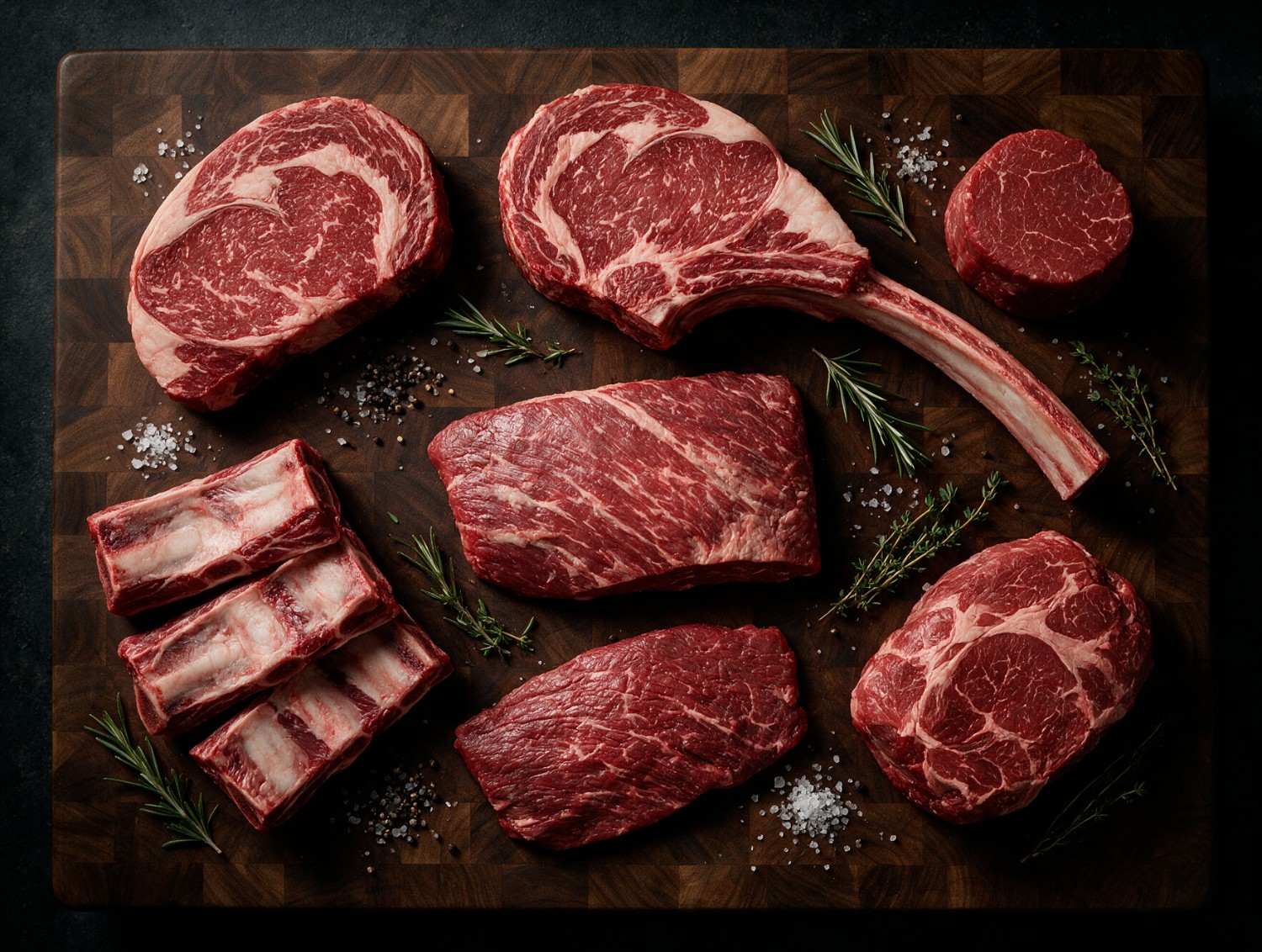
The chuck sits in the shoulder and neck area. Notably, it works hard during the animal’s life, which builds layers of connective tissue and fat. As a result, chuck cuts need long, slow cooking to reach their full potential. Chuck roast braises into fall-apart tenderness over three to four hours. Moreover, Denver steak is a newer chuck cut that eats like a premium steak thanks to its hidden marbling. In addition, ground beef also comes primarily from the chuck, delivering the ideal 80/20 lean-to-fat ratio for burgers and kafta.
Rib: The Flavour King
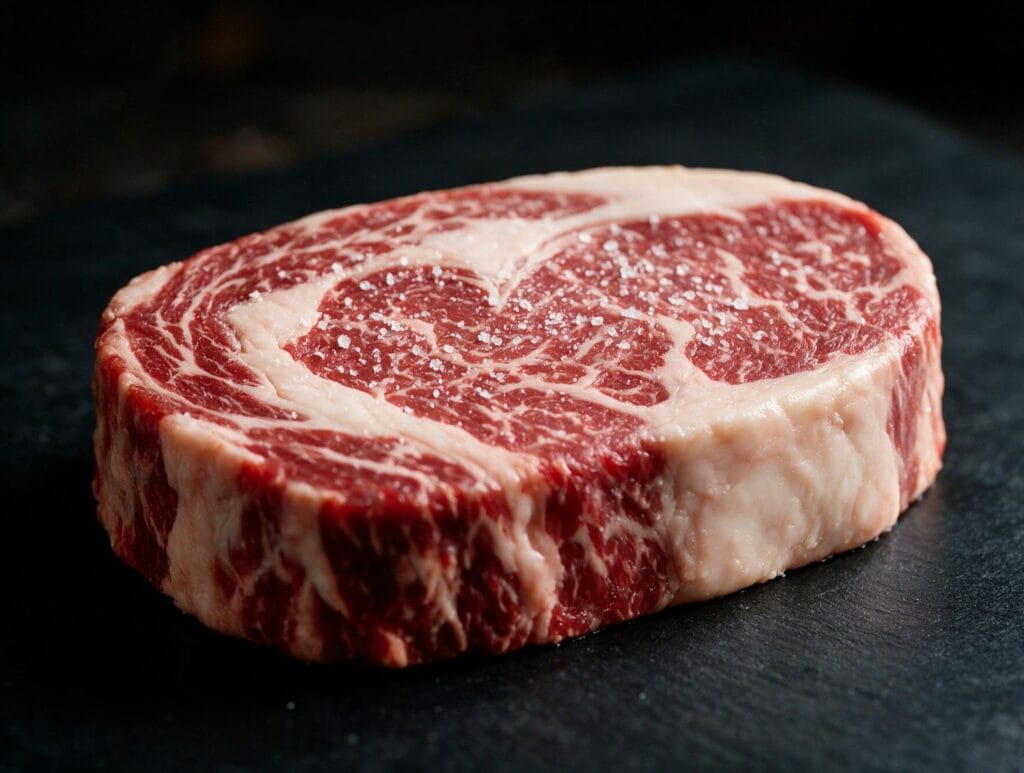
The rib section sits behind the chuck along the upper back. As a result, these beef cuts carry the heaviest marbling on the entire animal. Consequently, they deliver the richest, most buttery eating experience. Ribeye is the flagship cut: thick marbling, bold flavour, and a fat cap that crisps into a savoury crust. The tomahawk is a bone-in ribeye with the full rib bone attached for dramatic presentation. Notably, rib beef cuts need nothing beyond salt, pepper, and high heat.
Beef Cuts from the Loin
The loin runs along the spine behind the ribs. It does almost no work, so the muscles here are the most tender on the animal. Above all, the loin produces the beef cuts people celebrate at fine dining restaurants. Filet mignon comes from the tenderloin: the softest texture you can buy. Chateaubriand is cut from the thickest part of the same tenderloin and roasts whole for carving at the table.
Furthermore, the short loin produces T-bone and porterhouse steaks. Specifically, both include a strip steak on one side and a tenderloin portion on the other, separated by a T-shaped bone. Hence, you get two textures in one cut. They respond best to a hot grill or cast iron sear.
Brisket: Low and Slow
The brisket sits in the lower chest area. Notably, it supports a large portion of the animal’s weight, so the muscle is dense and loaded with connective tissue. However, that toughness becomes silky tenderness after hours of low heat. Brisket is the signature cut for smoking and braising. Furthermore, smoked brisket develops a dark bark on the outside and a pink smoke ring just beneath the surface. In addition, sliced cold brisket makes exceptional sandwiches the next day. Among slow-cooking options, brisket rewards patience more than any other.
Plate and Flank
The plate sits below the ribs and the flank sits behind it, near the belly. These beef cuts are lean, flat, and full of beefy flavour. Short ribs come from the plate: bone-in, rich, and perfect for braising. Bavette comes from the flank area: thin, flavourful, and ideal for the grill. Specifically, both absorb marinades well because of their loose grain structure. Slice against the grain and these beef cuts rival anything from the loin at a fraction of the price.
Beef Cuts from the Round
The round is the rear leg. It carries the leanest muscles on the animal. Consequently, round cuts dry out quickly with high heat. For example, eye of round roasts best at low temperatures and slices thin for sandwiches. Sirloin tip roast works for lean, clean slices at medium-rare. Therefore, precision matters more with round cuts than with any other section. A meat thermometer is essential. Check safe temperatures at the Government of Canada food safety page.
Matching Beef Cuts to Cooking Methods
Grill or sear: ribeye, tomahawk, filet mignon, bavette, Denver steak. These tender, well-marbled beef cuts need high heat and short cooking times. Braise or stew: chuck roast, short ribs, brisket. These tough beef cuts need low heat and long times to break down collagen. Similarly, smoke: brisket, short ribs, chuck roast. Roast in the oven: chateaubriand, sirloin tip, eye of round. Grind for burgers or kafta: chuck, round trimmings. Plus, ground beef from our counter comes from whole cuts, not mixed trim.
Shop Every Beef Cut at Boucherie Beirut
At Boucherie Beirut in Laval, we carry beef cuts from every primal section. Browse our full beef collection, Certified Angus range, wagyu collection, and dry aged selection. Visit our online shop for delivery across Greater Montreal. All beef is certified and prepared fresh at our Laval shop. Ask our butchers which cut fits your next meal.
Frequently Asked Questions
What are the most tender beef cuts?
Filet mignon and chateaubriand from the tenderloin. The muscle does almost no work, so the texture is the softest you can find. These beef cuts suit quick searing and oven roasting.
What are the most flavourful beef cuts?
Ribeye and short ribs. The heavy marbling in the rib section and the bone in short ribs deliver the deepest, richest taste. These are the beef cuts where natural flavour leads. Season with salt and pepper only.
Which beef cuts are best for beginners?
Ribeye is one of the most forgiving options for the grill. Chuck roast for braising because it is almost impossible to overcook. Bavette for a quick weeknight dinner because it cooks in under five minutes.